


Earlier this week, I asked Substackers to share their favorite song with a city in the name. Thirty of you answered, and the responses were everything I hoped for: deep cuts and classics, rich place-based stories, and undeniable anthems. I’ve always loved how songs that have nothing in common musically can sit right next to each other and feel complementary as long as the thread running through them is strong enough.
So today we’re taking a sonic road trip across the country going east to west, before returning home to a song about a place right in my own backyard near Washington, DC. At the bottom, you’ll find a playlist with every submission, and let me tell you, it’s the perfect mix for a road trip. So throw it on, turn it up, and let’s go for a ride.
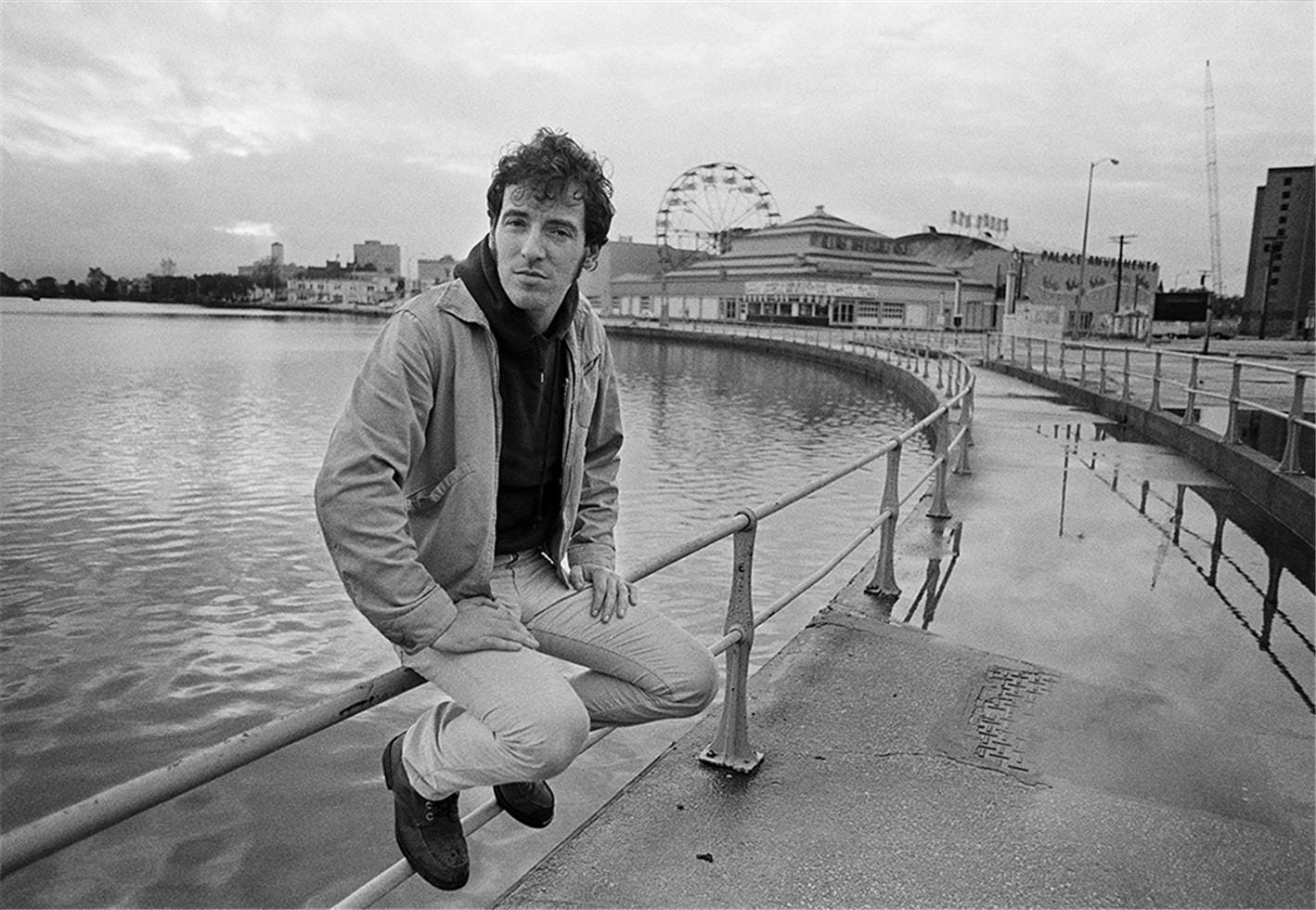
4th of July, Asbury Park (Sandy) — Bruce Springsteen
Springsteen wrote “Sandy” after being evicted from his apartment and moving to a garage in Bradley Beach, five minutes from Asbury Park, New Jersey. He called it “a goodbye to my adopted hometown and the life I’d lived there before I recorded.”
Sandy herself is a composite of girls he’d known along the Shore, but the way he whispers his vocals creates a sense of intimacy that brings her to life.
When the children’s choir he’d hired for the session didn’t show up, the uncredited Suki Lahav (wife of his sound engineer Louis) overdubbed her voice repeatedly to create the choir effect. Her vocals alongside Danny Federici’s accordion, the instrument most associated with that stretch of Jersey Shore boardwalk life, help paint the scene like few songs can.
Angel from Montgomery — John Prine & Bonnie Raitt
John Prine wrote “Angel from Montgomery” after a friend suggested writing another song about old people, following his song “Hello in There.” Prine had said everything he wanted to say about seniors, but the conversation sparked a different idea — a song about a middle-aged woman who feels older than she is.
“I had this really vivid picture of this woman standing over the sink with soap in her hands,” Prine said. “She wanted to get out of her house and her marriage and everything. She just wanted an angel to come and take her away from all this.”
Prine was 24 years old when he wrote it, working as a mailman in Chicago, composing songs in his head while walking his route. He believes he was drawn to Montgomery as the setting by virtue of being a Hank Williams fan, given the city’s ties to Williams. Bonnie Raitt covered it in 1974 and made it her signature — she has said that “as a young feminist, the idea that this young man could inhabit the world of a middle-aged woman in a thankless marriage really resonated with me.” The two performed it together as a duet countless times over the years.

Sweet Home Chicago — Robert Johnson
Robert Johnson recorded “Sweet Home Chicago” in 1936 at a hotel room in San Antonio, Texas. This recording is Delta blues in its rawest form: a man with an acoustic guitar, aching to get a move on.
The song itself had already passed through several hands before Johnson got to it. The same “Baby don’t you want to go” framework had appeared in recordings by Kokomo Arnold, Scrapper Blackwell, and others. But Johnson’s version became the reference point for everything that followed.
The Great Migration brought hundreds of thousands of Black Southerners to Chicago, and brought the blues with them. Chicago Bluesmen like Muddy Waters, Howlin’ Wolf, and Little Walter took the Delta’s acoustic foundation and electrified it — reflecting the energy of a people who had claimed something new for themselves.
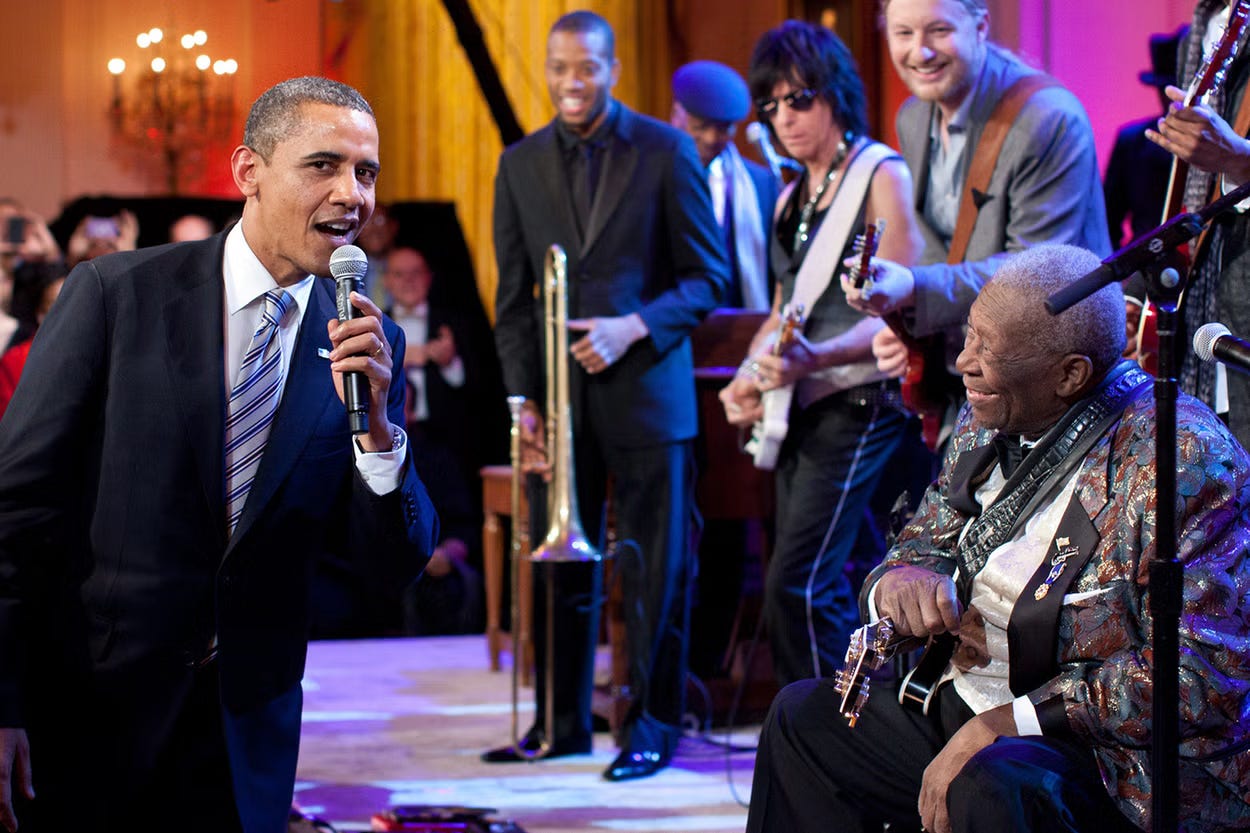
But the bones of songs like this one never left. By 2012, that lineage had traveled all the way to the East Room of the White House, where President Barack Obama and First Lady Michelle Obama hosted a celebration of the blues dubbed “In Performance at the White House: Red, White, and Blues”. President Obama described the blues migrating north “from Mississippi Delta to Memphis to my hometown in Chicago”, and joined Chicago blues legends including Buddy Guy and B.B. King in singing this song’s first verse.
City of New Orleans — Arlo Guthrie
Steve Goodman wrote “City of New Orleans” in 1970 on a sketch pad after his wife fell asleep on the Illinois Central train, jotting down what he saw out the window and in the club car. Everything in the song actually happened on the ride.
Arlo Guthrie let Goodman play the song for him at a Chicago bar, agreeing to listen on the condition that Goodman buy him a beer and play for as long as it took to drink it. Guthrie liked it enough to ask to record it, and it became his only Top 40 hit.
Goodman had been diagnosed with leukemia just a year before writing the song, and the Illinois Central was facing its own uncertain future. Passenger rail was struggling across America, and the City of New Orleans route was under threat of being decommissioned. Amtrak took over operation of the line in 1971, and the train runs to this day, with the song often credited for helping preserve public affection for the route at a critical moment.
Wichita Lineman — Glen Campbell
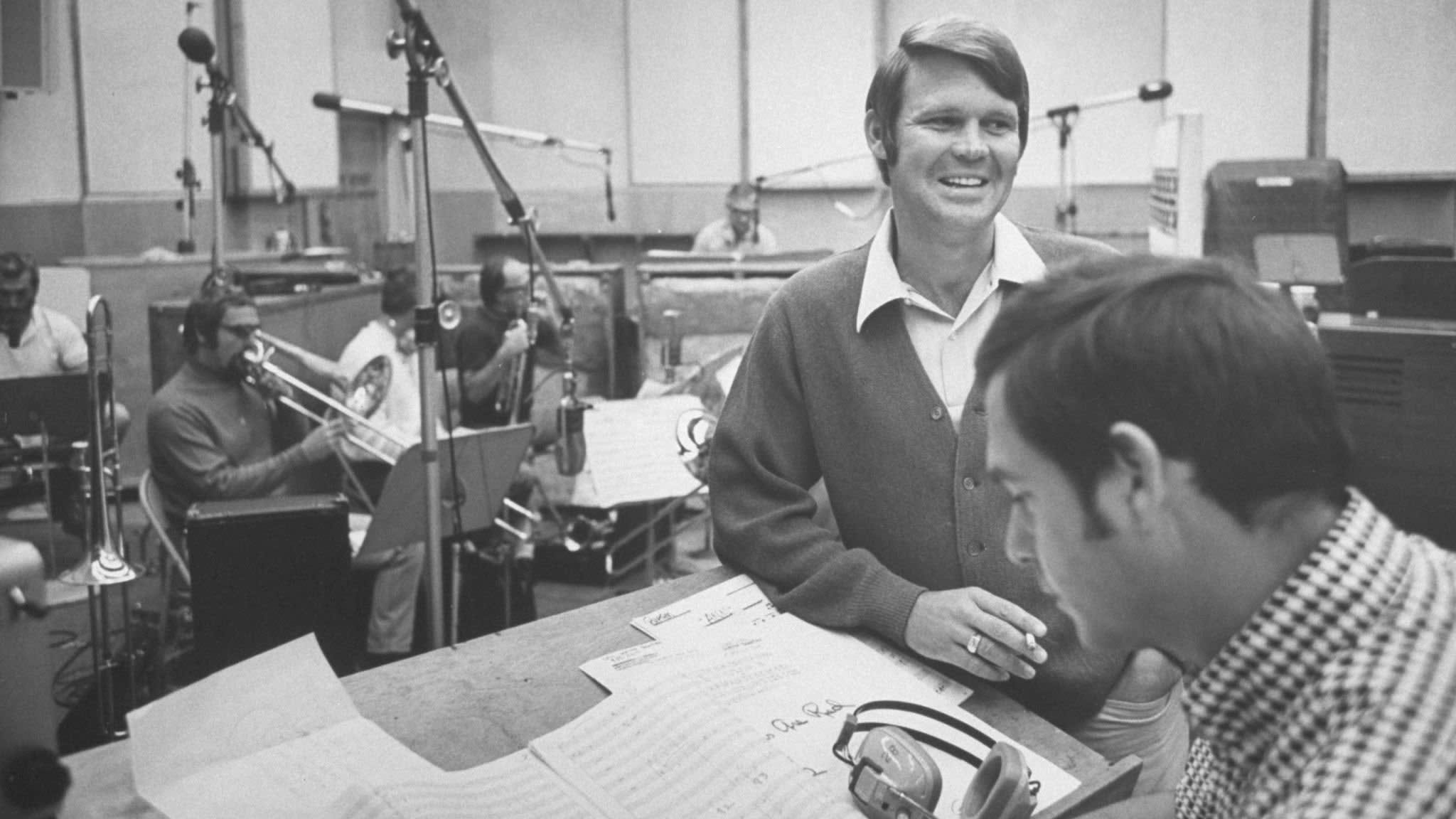
Jimmy Webb wrote “Wichita Lineman” after Campbell called from the studio asking for another geographical song to follow “By the Time I Get to Phoenix.” Webb’s inspiration came from a memory of driving through the Oklahoma panhandle past an endless line of telephone poles, with a lone lineman working at the top of one. Webb warned producer Al DeLory that the song was unfinished — he never completed a third verse — and assumed Campbell had passed on it.
Weeks later, Campbell told him: “Well, it is now.”
The iconic six-note bass riff that opens the record was played by Carol Kaye, legendary session musician for The Wrecking Crew, who improvised on the spot as the band worked out the arrangement.
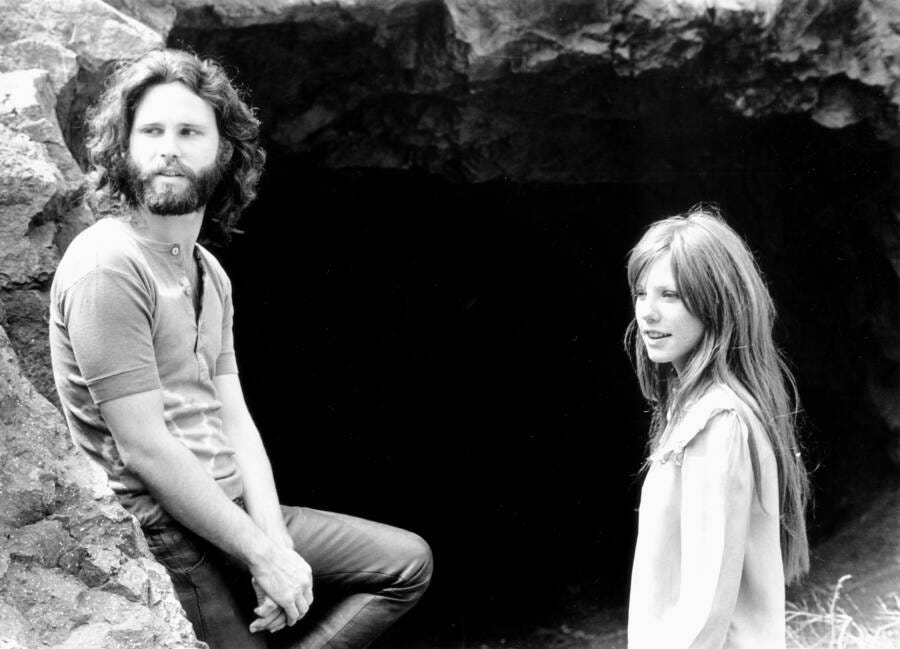
LA Woman — The Doors
Widely seen as Morrison’s final goodbye to Los Angeles before his move to Paris, “LA Woman” was recorded at the band’s own rehearsal space on Santa Monica Boulevard after their longtime producer Paul Rothchild quit the sessions, calling the material “cocktail jazz.” According to legend, Morrison recorded most of his vocals from the studio bathroom, where the natural reverb suited his voice. The song’s lyrics draw from John Rechy’s novel City of Night, and the “Mr. Mojo Risin” section in the outro is an anagram of Morrison’s own name. He left for Paris before mixing was finished. Three months later, he was dead at 27.
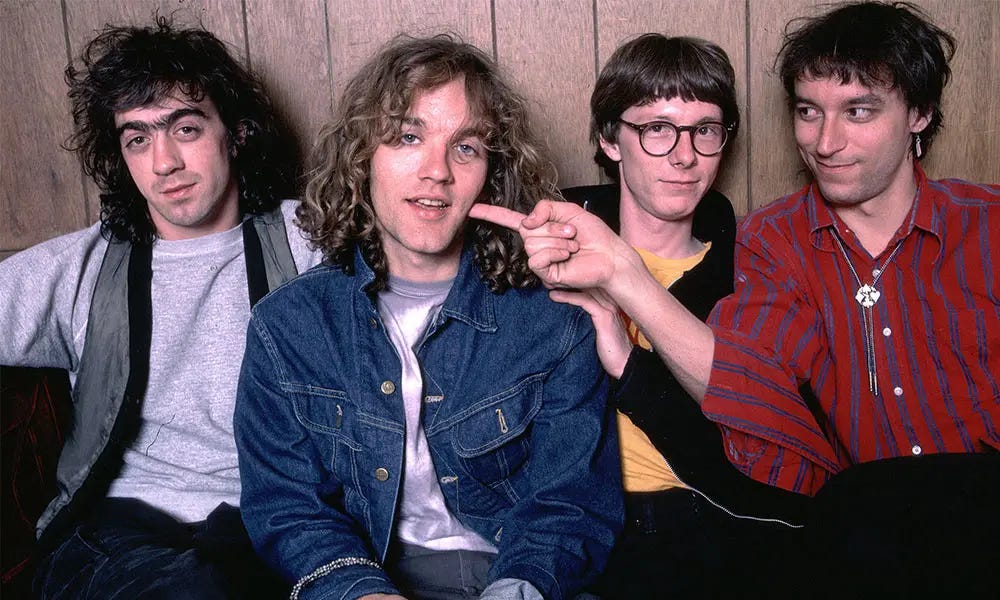
Sammy’s Pick: (Don’t Go Back To) Rockville — R.E.M.
Mike Mills wrote “Rockville” sitting at a kitchen table in Athens, Georgia, about a girl he knew named Ingrid Schorr, who was heading home to Rockville, Maryland for the summer.
The band had been playing it in a punk/thrash style for years and hadn’t even considered it for the album until their manager Bertis Downs begged them to record it. So as a joke they slowed it down and sprinkled it with a Nashville twang. When Mills added piano, the song found its shape. Little did they know they’d accidentally stumbled onto one of the great country ballads of all time.
Growing up in Northern Virginia, just across the Maryland border, I always had an irrational distaste for everything on the other side of the DMV (as we colloquially call the District of Columbia, Maryland, and Virginia). Rockville was twelve miles from my childhood home but might as well have been on Mars. As a kid I couldn’t imagine why anyone would want to go there in the first place, let alone return.
Michael Stipe and Mike Mills didn’t have to tell me twice. I could probably count on one hand the number of times I’ve actually been to Rockville. But I couldn’t begin to count the number of times I’ve listened to this beautiful lament.
Playlist: A Song For You: Cities
Every submission, all in one place. Songs are arranged east to west domestically, and west to east for any songs set abroad. Happy trails!
Great picks! Great list. One really interesting city song is The Weakerthans "One Great City!" about Winnipeg.
Glenn Campbell loved playing a 12 string!