


Welcome to A Song For You — a series of conversations with artists, writers, and music lovers about one song that holds a special meaning to them. Together we explore the story behind the music, hear a personal reflection from our guest, and check out their performance of the song.
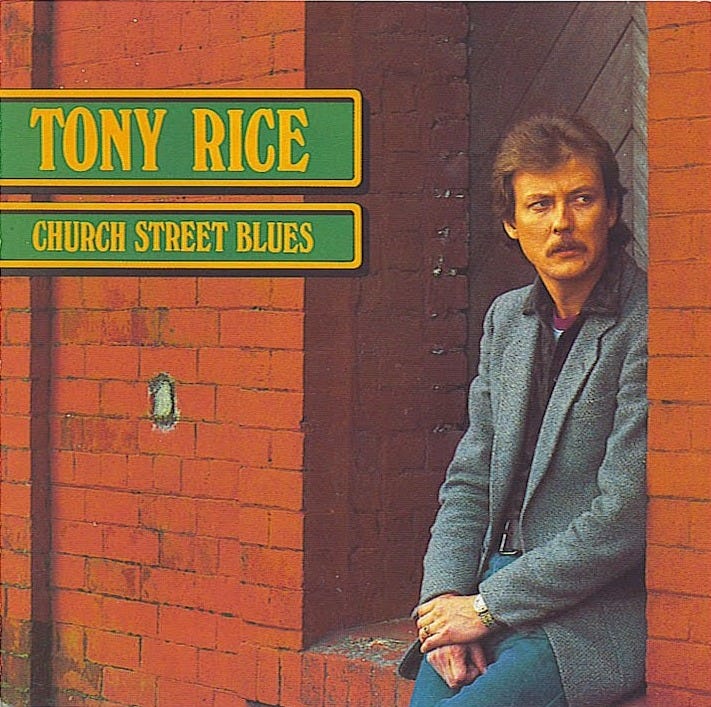
Our guest this week is Sierra Hull, a six-time Grammy-nominated mandolinist, guitar player, and songwriter. Her song is “Church Street Blues” by Tony Rice.
Sammy’s Thought Bubble: The Magic of Bluegrass
I had the chance to chat with Sierra ahead of her two sets at DelFest last week. To those who haven’t been, it’s a four-day music festival in Cumberland, Maryland celebrating the legacy of bluegrass pioneer Del McCoury and his family of musicians. To those who’ve made the annual Memorial Day Weekend trek, it’s pretty much heaven.
This year’s attendees weathered unseasonal temperatures and unrelenting rain throughout. Whether it was little kids jumping in seemingly lake-sized piles of mud or festival veterans decked out in proper rain gear, you’d be hard pressed to find someone having anything short of the time of their life.
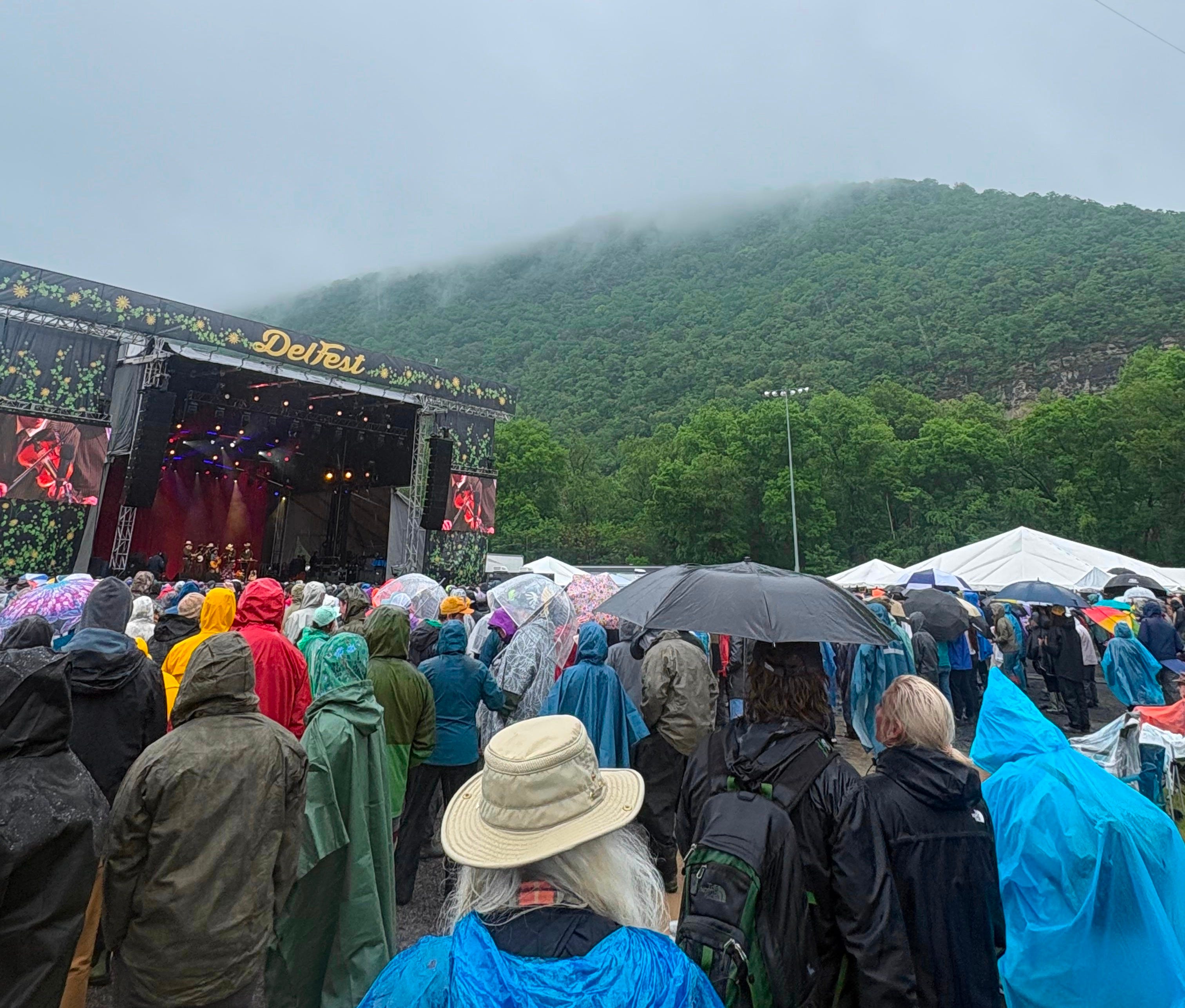
There’s a certain magic to bluegrass that has always fascinated me: the way the songs get passed down through generations, how each player adds their own flair to their instrument, and how tunes are never played the same way twice. It’s a music that invites you in and asks you to participate rather than just listen. That spirit was on full display at DelFest all weekend long.
Sierra’s song for you is “Church Street Blues” by Tony Rice — the opening track on his luminous 1981 album of the same name. While the world lost Tony in 2020, he’ll forever be remembered as one of the greatest flatpicking guitarist to ever live.
In Their Own Words: Sierra Hull on “Church Street Blues” by Tony Rice
Before I was even playing music, I used to ride around with my dad in his old red Ford Ranger truck. We had a cassette tape of Church Street Blues, and that was my introduction to Tony Rice. My dad became a really huge fan of him from that, and it kind of spanned this whole universe of Tony Rice, which led to all kinds of other things.
It’s the opening song on the album, and probably significantly one of my earliest memories of really loving something. And then that old truck ate the tape, and I was just so sad. I cried at the time! Seven-year-old me had no idea how we were going to replace it. It was recorded in the early ’80s and I was born in the ’90s, so it had already been out for a while.
I think about the way I grew up in Tennessee — there’s lots of country music, bluegrass, gospel music. So I definitely wasn’t a stranger to hearing the sound of guitar playing or even mandolins and fiddles. I’d heard a little bit of bluegrass because my dad liked it but I wasn’t totally steeped in it yet. We lived next door to my mom’s uncle, who was sort of like a grandfather to me. He played fiddle, mandolin and a little bit of guitar, but he wasn’t like some virtuosic bluegrasser. He wouldn’t have been playing things like Cattle in the Cane on the guitar, but could play things like Wildwood Flower.
So the idea of guitar flat picking wasn’t foreign to me per se, but in all the contexts I’d heard it, it was so different from what I was hearing when I first heard Church Street Blues. There’s this sweet progressiveness of it that I wouldn’t have known how to put it into terms as a kid, but I remember just thinking everything sounded very slick and beautiful to me.
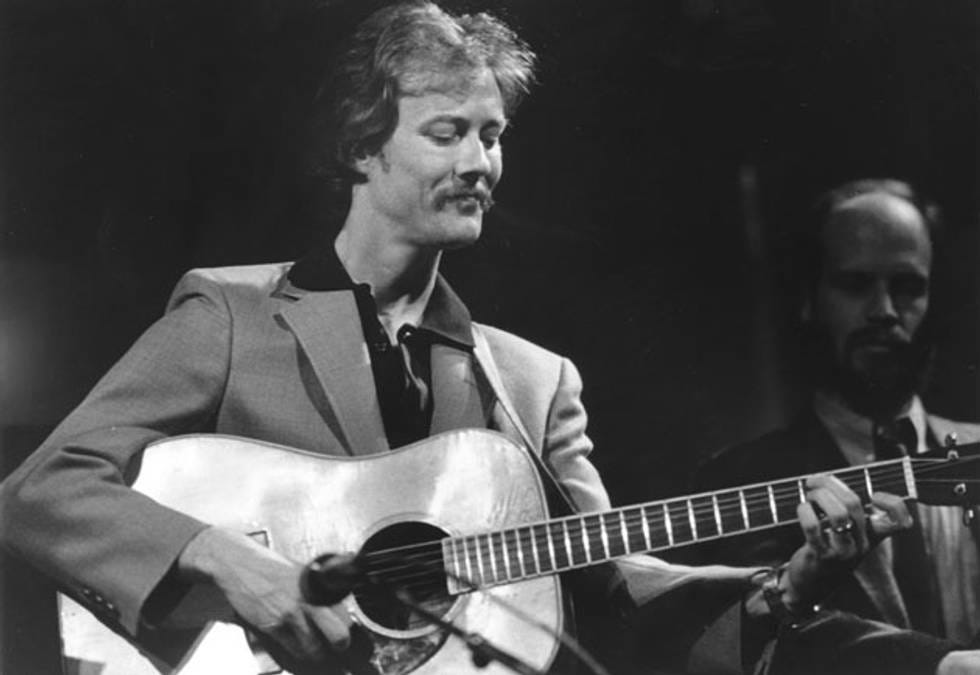
Even though the song is originally by Norman Blake, I didn’t know that when I first heard it as a kid. To me, I believed every word he’s saying on every song on this record. Even though Tony wasn’t first and foremost a songwriter. He’s such a great interpreter of songs, and being able to tell a story, especially one that essentially isn’t even the story you yourself came up with, and to take someone else’s words and make them so beautiful and so believable, that’s its own kind of mastery as an artist.
I’ve always admired that so much about Tony. His ability to choose songs that really can paint a picture and move a listener in that way, that you would never believe the lyrics weren’t something he himself lived. I’m always inspired by that when I go back and listen to these records — not only his playing and singing, but his ability to represent a song like that.
Because I had these influences of people like Tony and the people that played on his records, as well as people like Allison Krauss, Sam Bush, and Adam Steffey, I always gravitated toward music with a virtuosic, refined sound to it. And Tony had as much of that as anybody. Even today we all still look at Tony as being the greatest of all time.

Even though I wasn’t playing just yet when I started to discover this music, there was an inevitable influence of the defined way that he played where you’d hear every note with such even tone and clarity. As a young person, there’s so much you’re absorbing as a listener whether you realize it or not. When you start playing, you’re searching to emulate the clarity, and the refinedness of that without really knowing how, and there was a part of me that was always chasing that because so much of the music I loved had that quality.
Now here I am, twenty-some years into playing music, and everybody thinks of it as a staple of our bluegrass catalog, our acoustic catalog. You find older people, peers of Tony’s, who love that album. And then all the way down to younger people who are still discovering it, because everybody they love says, go check that album out.
I was also growing up playing all the traditional songs of Bill Monroe, Flatt and Scruggs, the Stanley Brothers, and sometimes in a secondhand way, because I might be sitting in a jam with a bunch of old timers who are singing these songs. I was learning all these songs without always knowing where to place the credit for them at first.
I think for a lot of people now, we’re so many generations into this music, but the roots are just fundamental for all of us. It’s so important for even young people to go back and dig into that. That connection between the past and where we’re at now, there’s a lot of exciting things happening that are carrying the music forward, but if you’re really a bluegrass fan, you have to dig into the roots and build upon that foundation.
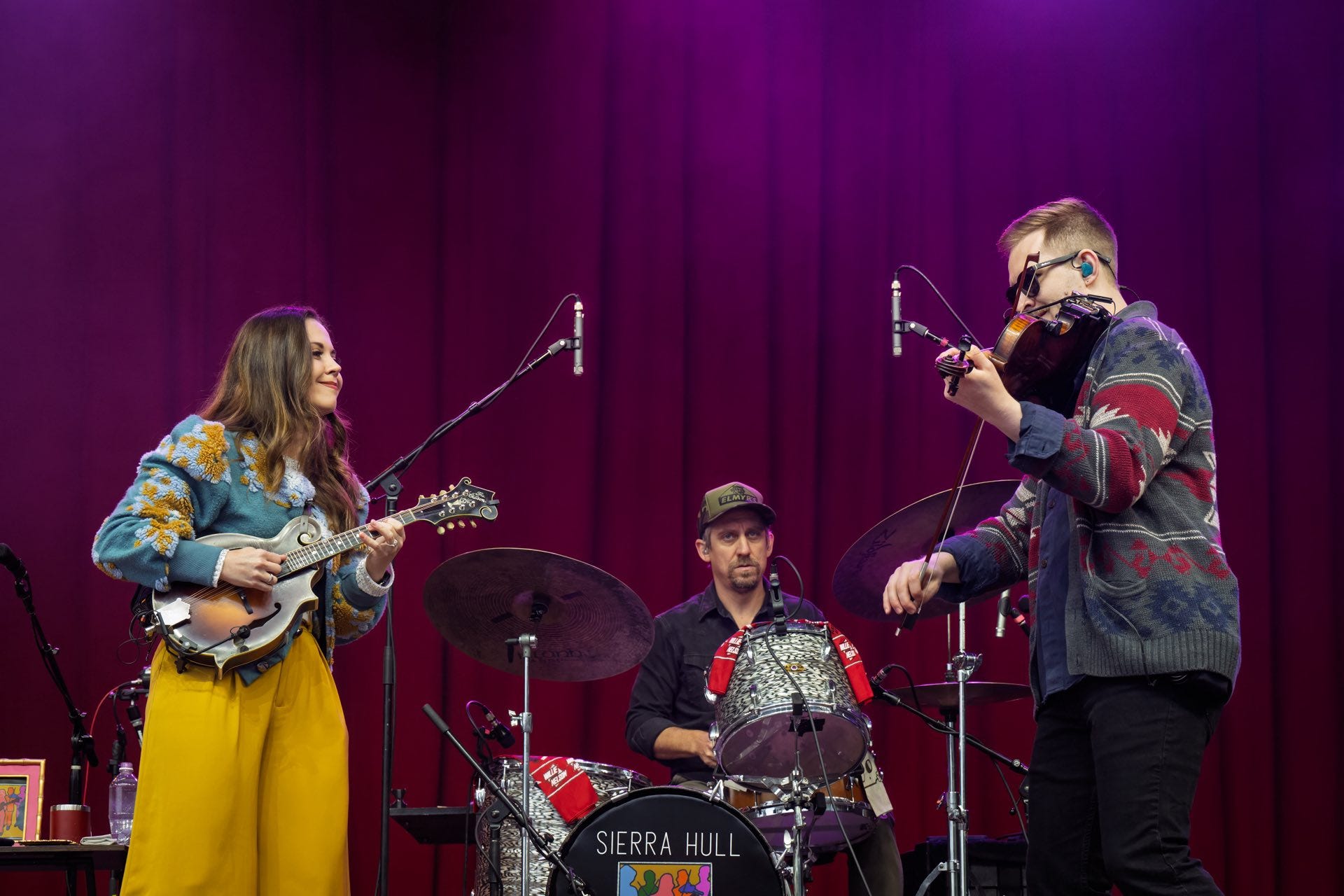
It’s so cool to see all the fans still coming out to shows today, but at the end of the day there’s still a lot of love and appreciation for trying to hang on to the roots of what this music is and that people still long for that.
It’s funny, because for us as music makers, ninety percent of the fans that are in the audience also want to play the music. It’s different than a lot of styles of music where you can enjoy it because you just like putting whoever on the radio and singing along.
For bluegrass fans at a festival like DelFest, of course they love the music, but I guarantee you they’re equally excited for when all the shows finish at the end of the day, and they get to get their instruments out and stay up late jamming with their buddies. They’re equally excited about that as they will be to see anyone on the festival’s main stage. And that’s so beautiful to me. That’s special. It’s a beautiful bond between an artist and the audience.
I think that's what makes this community so special. There's a level of understanding from the people in the audience that you're playing to, which makes the communication between what you're doing on stage and what they can take in so powerful.
A Song For You: “Church Street Blues” by Tony Rice, performed by Sierra Hull
So enjoyed this guest post. I've heard the name Sierra Hull so many times, but haven't delved into her work yet. What a wonderful introduction to her! The guitar work is just gorgeous. Thank you for this!
Delfest’26 was magical for all you mentioned, Sammy. Sierra Hull was in my top two favorites so it’s a thrill to hear how Tony Rice and this song have touched her. Absolutely beautiful performance of her singing and playing Church Street Blues! Thank you!