



Welcome back to A Song For You — a series of conversations with artists, writers, and music lovers about one song that holds a special meaning to them.
Each post dives into one song that left an indelible mark on their life through three parts:
The Journey Behind the Music: I set the scene to explore the song’s history, cultural impact, and the story of how it came to be.
In Their Own Words: Our guest reflects on their chosen song, sharing the personal story behind why it matters to them.
A Song For You: A carefully chosen recording or performance of the song, selected by our guest.
We’re joined by Australian-born, Nashville-based singer-songwriter Emma Swift for a deep dive into Bob Dylan’s surrealist masterpiece, “Visions of Johanna”.
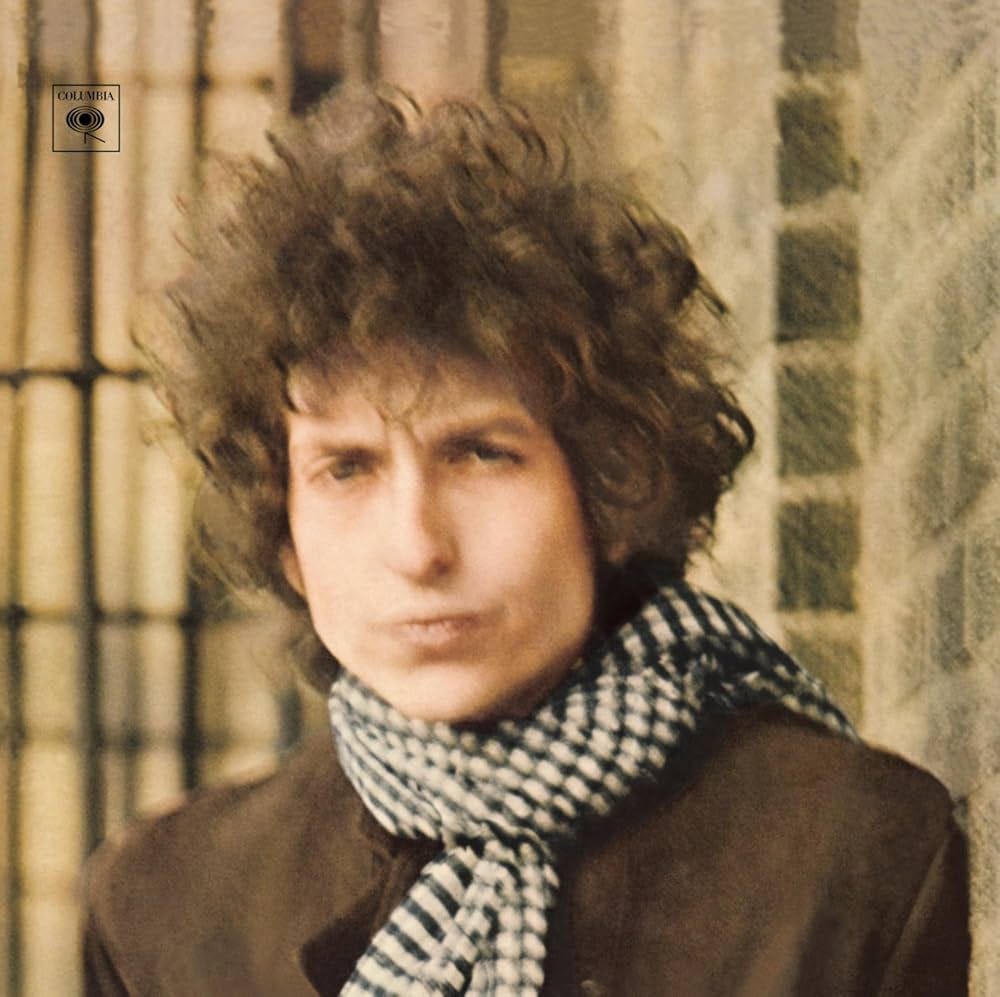
The Journey Behind the Music: Sammy’s Thought Bubble
There’s a particular kind of longing that has nothing to do with loss. You haven’t been robbed of anything. The life in front of you is real and warm and present… and still, somehow not enough. You’re reaching for something you can’t name, or may never have had at all.
Dylan precisely captures one of the most uncomfortable human impulses in “Visions” — a seven-minute fever dream not of heartbreak or nostalgia, but rather something more vertiginous.
It unfolds across five long, surrealist verses in which Dylan’s narrator sits stranded with a woman named Louise while his mind is consumed by a woman named Johanna who never appears. The heat pipes cough. A country music station plays soft into the cold. Louise is right there, but it doesn’t matter. Johanna — whoever, whatever she is — has taken up all the space.
The imagery is hallucinatory and strange, and yet the feeling underneath it is devastatingly human: the ache of comfortable reality still not being enough.
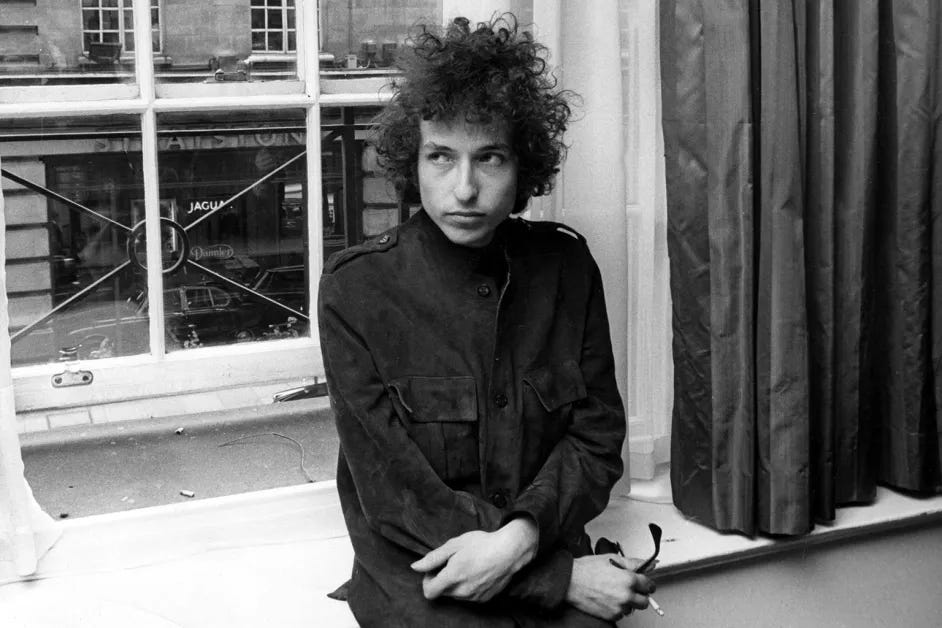
A tale of two cities, “Visions” is as Nashville a song as it is a New York one.
Dylan first attempted it during a deep freeze in New York in late 1965 at a session that yielded fourteen takes and no version Dylan wanted to release. At producer Bob Johnston’s suggestion, Dylan, keyboardist Al Kooper, and The Band’s guitarist Robbie Robertson moved to Columbia Studios in Nashville, where sessions augmented by top local session musicians proved far more fruitful.
It was there on Valentine’s Day 1966 that the song finally became itself. Dylan sat at a piano in the studio and wrote for hours without ever getting up or taking a break before finishing the work, calling the musicians in, and laying down the final take.
The recording made its way onto Dylan’s 1966 album Blonde on Blonde, but Johanna herself has eluded listeners for nearly sixty years. She is the song’s longing and its absence, the thing the narrator can’t possess and can’t stop reaching for. That gap between your reality and the vision in your head is, as Emma Swift writes, where exquisite longing lives.
In Their Own Words: Emma Swift on Visions of Johanna
I’m not good with details and I’m not good with dates. My recollections are blurry, and I have no respect for time, which makes me a terrible memory keeper. When it comes to music fandom, I am obsessive and enthusiastic, but feeling comes first. So, I can’t tell you when or where I first heard Dylan’s “Visions of Johanna”.
All I can tell you is that I have loved it for more than half my life, and the older I get the more beautiful, strange, and devastating it is.
Ain’t it just like the night to play
Tricks when you’re tryin’ to be so quiet?
We sit here stranded
Though we’re all doing our best to deny it
Ain’t that the truth? We’re all lonely, we’re all desperate, and we’re all waiting for a savior of sorts — be it a melody, a lyric, a woman.
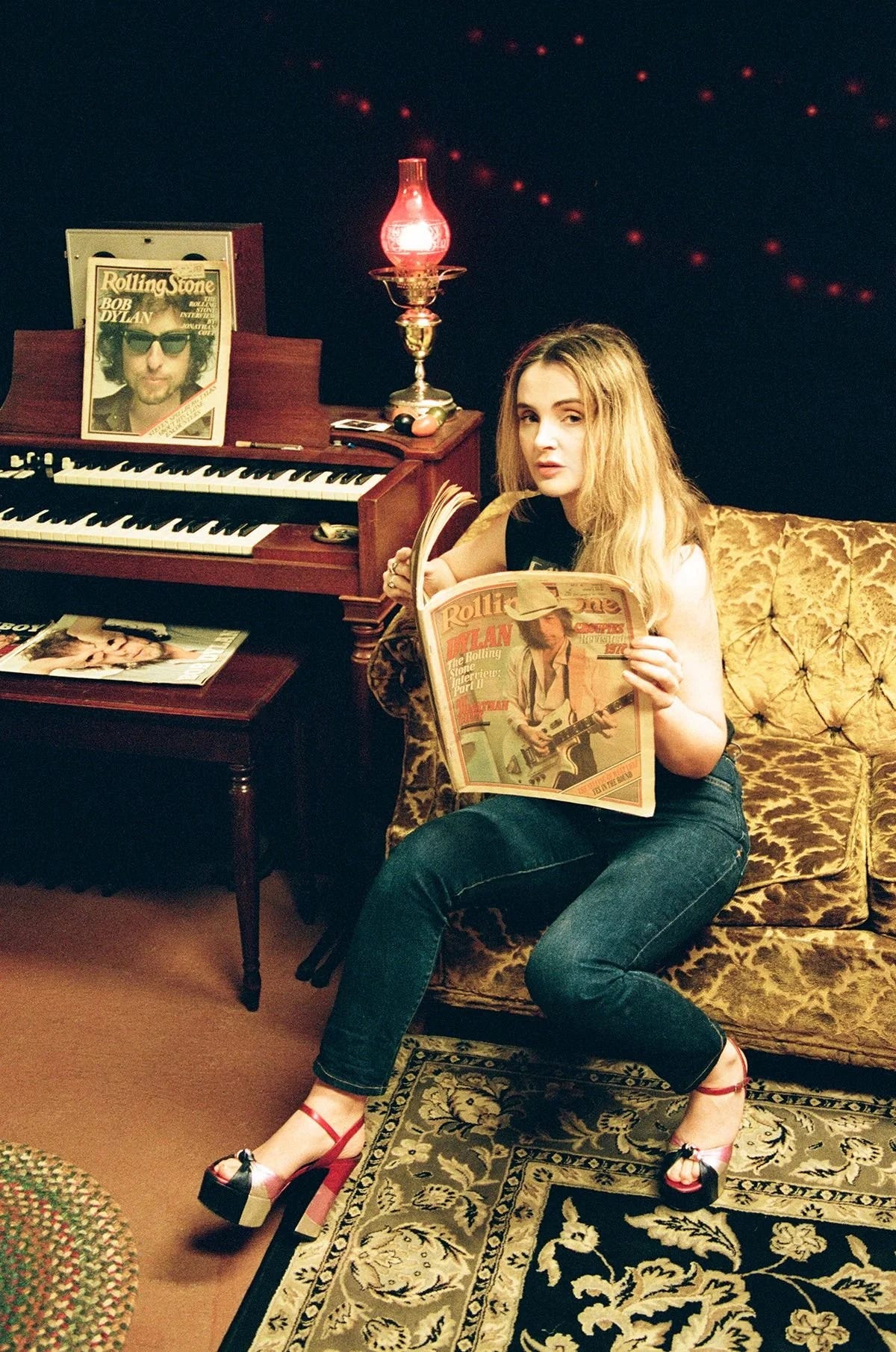
I can imagine the scene at Columbia Studios in Nashville on Valentine’s Day, 1966: the cigarette fog, the killer band, the verses tumbling — surreal and brilliant, each a little more desperate than the last.
The ghost of electricity
Howls in the bones of her face
Where these visions of Johanna
Have now taken my place
Like the best country songs, “Visions” has, at its core, an exquisite longing.
Much of the best country music coming of the era stuck to Harlan Howard’s oft-quoted maxim, “three chords and the truth”. In “Visions” we have something much more like three chords and a mind-bender that will haunt you for life if you let it. Then again, perhaps that’s as true to real life as a song can get.
There are three copies of Blonde on Blonde on vinyl at my house: my copy, my husband’s copy, and a spare, in case of emergencies. All were acquired long before either of us ever dreamed of living in the city where the album was made, though the best albums are always gateways to something, aren’t they?
In addition to the trio of Blondes, I’ve also got Marianne Faithfull’s Rich Kid Blues, which has a transcendent version of “Visions” on it. Like all her best songs, it feels truly lived-in, her gentle rasp making it much more mournful and desolate than Dylan’s original. Recorded in 1971, she sounds like she’s singing at a funeral for the 1960s. Though some of the verses are cut out of this recording, and I do miss them, it’s still my all-time favorite Dylan cover, and a masterclass in how to take someone else’s song and make it utterly your own.
I’ve been fortunate enough to see Dylan live in concert a handful of times, though I’ve never heard him sing “Visions” live, and I’m not sure that I’m likely to. According to sources though, he last played it at Enmore Theatre in Sydney, Australia, in 2018, a beautiful old Art Deco venue that sits right in the heart of the stomping ground of my college days and the decade that followed.
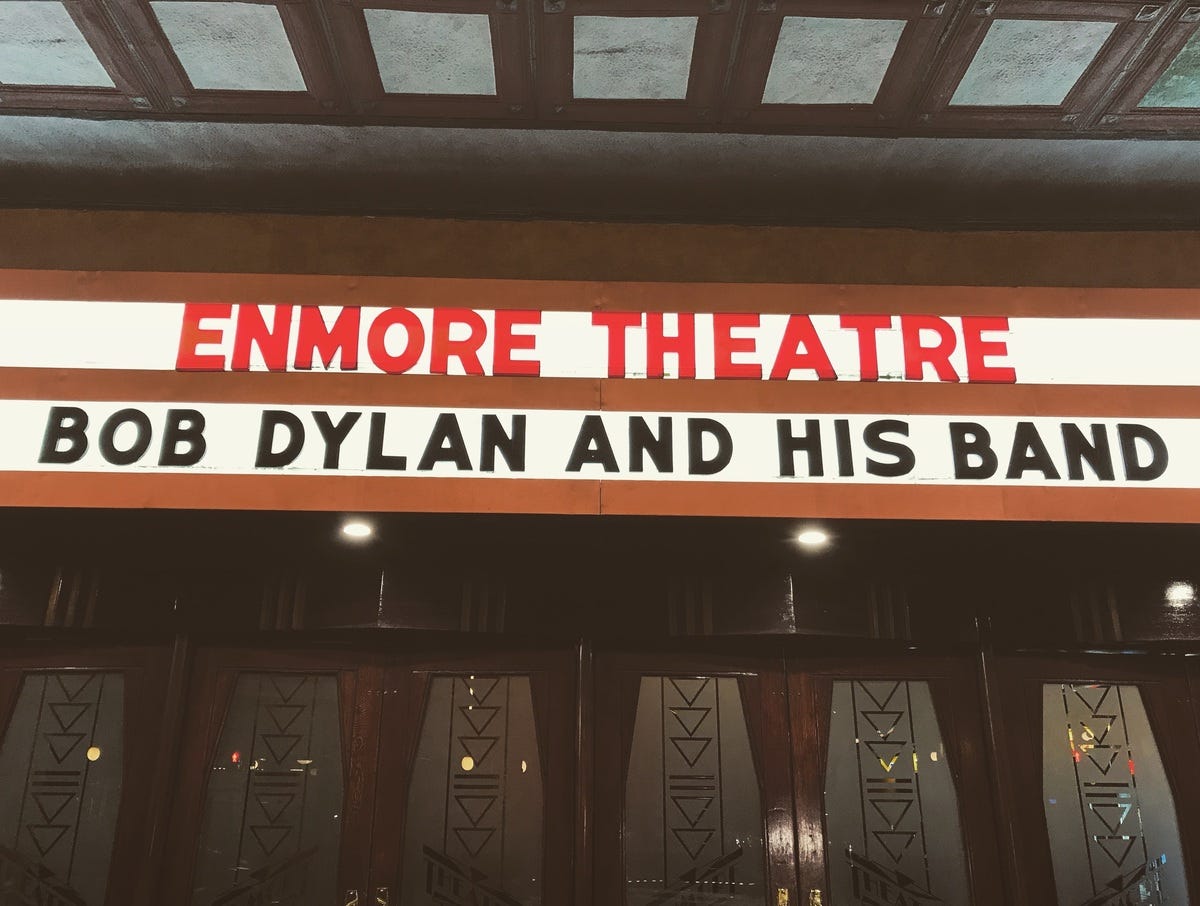
I like to think of Dylan walking down Enmore Road, just as I used to do, maybe going into the Duke for a pint, or down the road to nearby King Street to check out the vinyl at Egg Records, or buying a well-priced shirt at the Cat Protection Society thrift shop. I like to think of him getting on the 423 bus, and taking it all the way down to Circular Quay to listen to the seagulls serenade the tourists, watch the sun set over the harbour, and work on the setlist.
Dylan’s on tour this spring, and though he’s skipping over Nashville, he’s hovering close enough for me to make a road-trip or two. I’ll be hoping for “Visions of Johanna” of course, because I am nothing if not a dreamer and an optimist. But naturally, I’ll be happy with whatever he chooses to play. I don’t go to Dylan concerts because I am anticipating all the hits as well as my personal favorites (that’s what Paul McCartney is for!) I go because live music is as close to church as this recovering Catholic gets, and I know that whatever he plays, it’ll be what I needed to hear.
A Song For You: Emma Swift - “Visions of Johanna”
Swift and her band recorded “Visions of Johanna” at the Layman Drug Company in Nashville this past December.
Go Deeper: Check out Swift’s album Blonde on the Tracks, a Laurel Canyon inspired reimagining of some of her favorite Dylan tunes on Tiny Ghost Records. Produced by Wilco’s Pat Sansone and featuring Swift’s husband Robyn Hitchcock, this album was my saving grace during the pandemic. I still feel that magic every time I hear these recordings.
You can hear her perform live in the U.S. this spring and across Europe come fall. Check out her full list of tour dates.
A Playlist For You: Emma curated a playlist of ’60s country songs, and a playlist of covers that inspired Blonde on the Tracks.
Wow. Hard to articulate how deep this one goes. In the spirit of March Madness, was reminded of Jimmy V’s iconic 1993 ESPY speech. He said a full life requires three things every day: to laugh, to think, and to be moved to tears. Wasn’t expecting to check all three boxes before finishing my morning coffee.
My two favorite tracks in recording history are Visions of Johanna and Van Morrison’s Madame George. I say tracks not songs because for me no other recordings of the songs to me captures the magic of the studio recordings. But in each case, my second favorite version is by Marianne Faithful. Someone to Watch Over Me or The Way You Look Tonight: those are great songs, but there is no rendition of them that I would rather listen to than the two tracks at the top.